How to Complete Your UK Self-Assessment Tax Return: A Step-by-Step Guide
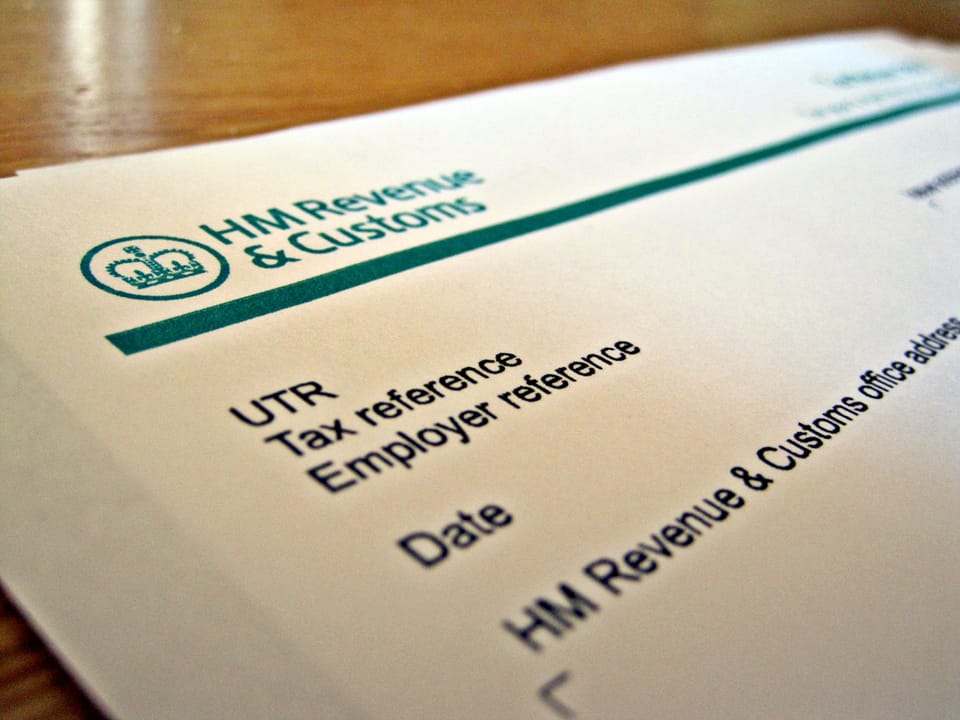
Every year, millions of people in the UK must complete a Self-Assessment tax return. Whether you are self-employed, a landlord, a company director, or earn above £100,000, this is how HMRC collects the income tax you owe. Done correctly, it can also be an opportunity to claim legitimate reliefs and reduce your bill.
Who Needs to File?
You must register for Self-Assessment if you were self-employed and earned more than £1,000, a partner in a business partnership, received rental income, had untaxed income over £2,500, or earned over £100,000 from employment. HMRC may also require filing if you receive foreign income or claimed Child Benefit while earning above the High Income Child Benefit threshold.
Step 1: Register with HMRC
Register at gov.uk/register-for-self-assessment by 5 October following the tax year end. HMRC will post you a Unique Taxpayer Reference (UTR) — keep this safe.
Step 2: Gather Your Information
Before logging in, collect your UTR and National Insurance number, P60 or P45 from any employment, records of all self-employment income and expenses, bank statements and invoices, pension contribution certificates, and Gift Aid donation receipts.
Step 3: Complete Each Section
Visit gov.uk/log-in-file-uk-tax-return and sign in with your Government Gateway credentials. The return covers the tax year 6 April to 5 April. Enter employment income from your P60. For self-employment, report total income and deduct allowable expenses. If turnover is below £85,000 you can enter summarised figures. Report rental income minus allowable expenses such as letting agent fees and maintenance, noting that mortgage interest relief for residential landlords is now restricted to a 20% tax credit under Section 24.
Step 4: Claim Reliefs and Allowances
Do not miss: the Personal Allowance (£12,570 for 2025/26), Marriage Allowance (transfer up to £1,260 of unused allowance to a spouse), higher rate pension relief, Gift Aid donations extending your basic rate band, and the working from home allowance of £6/week.
Step 5: Check Your Calculation
HMRC's system calculates your tax automatically. Review Class 4 National Insurance (6% on profits £12,570–£50,270, 2% above) and Payments on Account — HMRC often requires 50% of next year's estimated bill in January and July.
Key Deadlines
Register by 5 October. Paper return by 31 October. Online return and payment by 31 January. Second Payment on Account by 31 July. Missing the 31 January deadline incurs an automatic £100 penalty even if no tax is owed, escalating at 30 days, 6 months, and 12 months.
Common Mistakes
Forgetting all income sources; claiming non-allowable expenses such as client entertainment; incorrect mileage records; not declaring bank interest or dividends above allowances; forgetting to offset prior year losses.
Making Tax Digital
MTD for Income Tax is being phased in from April 2026 for the self-employed with income over £50,000. This requires quarterly digital submissions rather than one annual return. Get familiar now with compatible software: QuickBooks, Xero, or FreeAgent.