Understanding the Statutory Residence Test for UK Tax Purposes
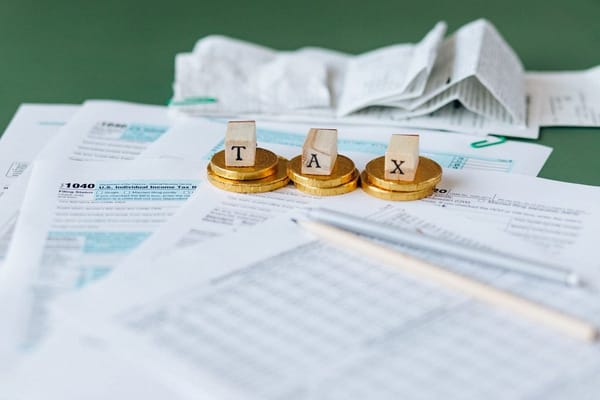
The Statutory Residence Test determines whether you are UK resident for tax purposes — affecting your liability for income tax, CGT, and more.
Streamline your finances with expert bookkeeping and payroll solutions. We handle the numbers so you can focus on growth. Get a custom quote today!
The Statutory Residence Test determines whether you are UK resident for tax purposes — affecting your liability for income tax, CGT, and more.
Gift Aid boosts charitable donations by 25% at no cost to you — and higher rate taxpayers can claim additional relief through Self-Assessment.
The Trust Registration Service requires most UK trusts to register with HMRC. Who must register, the deadlines, and what information is required.
Business rates are a property tax on non-residential premises. Who pays, how the rateable value is set, and how to appeal your assessment.
What happens if you pay Corporation Tax late — interest, penalties, and how to set up a Time to Pay arrangement with HMRC.
A director's loan account tracks money owed between a director and their company. Overdrawn accounts trigger Section 455 tax and benefit-in-kind charges.
Stamp Duty Land Tax applies to most UK property purchases over £125,000. Rates, reliefs, surcharges, and how to calculate and pay SDLT.
SEIS offers 50% income tax relief on investments in qualifying early-stage UK companies — plus CGT exemption and loss relief. How to claim it.
RDEC is the R&D tax credit available to large companies and some SMEs. How it works, the 20% credit rate, and how to claim from April 2024.
HMRC offers free tools to file your Self-Assessment and VAT returns — here is what is available, who can use it, and the limitations.
Understanding exactly what counts as a deductible business expense in the UK — and what HMRC will not allow — is key to accurate tax returns.
The Construction Industry Scheme requires contractors to deduct tax from subcontractors' payments. How CIS works, registration, and avoiding penalties.